As November arrives and temperatures begin to dip in Jackson, MI, many pet owners start to notice subtle changes in their senior dogs and cats. Chilly mornings, icy sidewalks, and dry indoor air can make winter especially challenging for aging pets. At Arbor Hills Veterinary Clinic, we understand that you want your beloved companion to stay happy, comfortable, and healthy throughout the cold months. In this guide, our team of veterinarians will walk you through practical steps for protecting your senior pet from winter’s harshness, highlight signs of age-related health issues to watch for, and explain when it’s time to schedule a veterinary visit. Our clinic, located at 4110 Spring Arbor Rd, Jackson, MI 49201, is committed to supporting your pet’s wellbeing during every season of life.
Whether you’re concerned about your older dog’s stiff joints or want to make sure your senior cat remains comfortable indoors, this blog will give you the knowledge you need. We’ll cover how to spot cold-related health problems, why senior pets are especially vulnerable in winter, and home care strategies that really make a difference. You’ll also learn about the benefits of geriatric veterinary care for senior pets and when to reach out for professional support. Let’s ensure your pet enjoys a cozy, healthy winter here in Jackson and surrounding communities.
Recognizing the Signs: How Cold Weather Affects Senior Pets
As pets age, their ability to cope with environmental changes diminishes. This is especially true in winter, when cold, damp, and icy conditions can worsen age-related issues. Understanding how to recognize the signs that your senior dog or cat is struggling with the cold is the first step in providing effective care.
Common Cold-Weather Challenges for Older Pets
Senior pets often have a harder time regulating body temperature, so they’re more prone to feeling chilled even indoors. Symptoms that may suggest your aging pet is uncomfortable in the cold include shivering, reluctance to go outside, seeking out warm spots, moving more slowly, and appearing stiff after rest. Cats may hide more or sleep in unusual places, while dogs might hesitate at the door or seem less eager for walks. Additionally, you may notice that previously manageable health issues, such as arthritis or dental problems, seem to flare up as the temperature drops.
Warning Signs of Age-Related Health Issues in Winter
It’s important to watch for changes that could indicate complications from cold exposure or underlying health conditions. Signs to be alert for are persistent limping, difficulty getting up or lying down, increased whining or vocalization, changes in appetite, and altered bathroom habits. Other red flags include coughing, labored breathing, disorientation, or sudden changes in behavior. These issues can signal anything from worsening joint pain to more serious concerns like heart disease or advanced kidney problems. If you notice any of these symptoms, it’s a good idea to reach out to our veterinary professionals for guidance.
Why Are Senior Pets More Vulnerable in Cold Weather?
Understanding why older pets are at increased risk during winter helps you make informed decisions about their care. Aging naturally brings about changes in metabolism, muscle mass, immune function, and the ability to regulate body temperature. These factors combine to make senior dogs and cats more susceptible to cold-related discomfort and illness.
Age-Related Changes That Impact Cold Tolerance
Older pets often have thinner skin and less body fat, both of which reduce their natural insulation against chilly air. Muscle loss is common with age, leading to decreased activity levels and more difficulty generating body heat. Many senior pets also suffer from chronic conditions such as osteoarthritis, which causes joint stiffness and pain made worse by cold, damp weather. Additionally, conditions like hypothyroidism, heart disease, and kidney disease can further impair a pet’s ability to cope with cold stress.
The Role of Indoor Heating and Dryness
While keeping your home warm is important, indoor heating can create low humidity, which may dry out your pet’s skin and exacerbate respiratory issues. Senior cats, in particular, may develop flaky skin or start grooming excessively. Dogs might scratch or develop patches of dry, irritated skin. Managing indoor humidity and providing soft, warm bedding can help offset these issues.
Professional Support: How Arbor Hills Veterinary Clinic Can Help
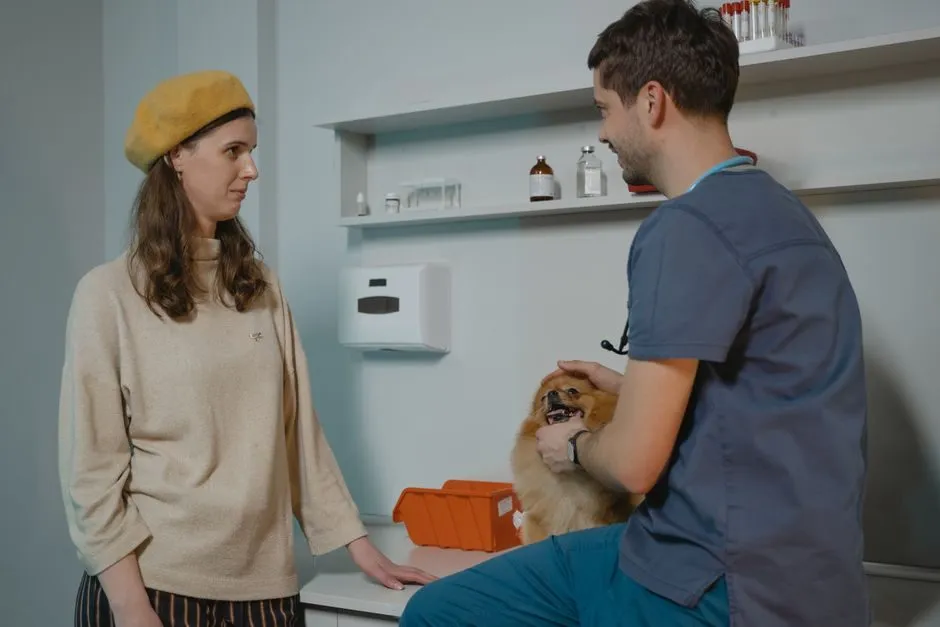
Ensuring your senior pet’s comfort and health during winter often requires a proactive approach. At Arbor Hills Veterinary Clinic, our team of veterinarians offers a range of services tailored to the unique needs of aging pets.
Comprehensive Geriatric Evaluations
A routine geriatric veterinary care appointment is one of the best ways to monitor your senior pet’s health as winter approaches. During these visits, we perform thorough physical examinations, check for arthritis and other chronic conditions, assess dental health, and screen for organ function changes. By identifying issues early, we can recommend individualized strategies to keep your pet comfortable all season long.
Pain Management and Chronic Disease Support
Many senior pets experience increased pain and stiffness in winter due to osteoarthritis or other degenerative conditions. Our veterinary pain management services include tailored medication plans, laser therapy, and lifestyle recommendations designed to improve mobility and quality of life. For pets with heart, kidney, or thyroid conditions, we can adjust medications and provide guidance to help manage symptoms through the colder months.
Guidance for Home Care and Nutrition
Our veterinary team is always available to advise you on practical ways to support your senior pet at home. This might include recommendations for joint supplements, nutritional changes, or adjustments to daily routines that promote warmth and comfort.
Keeping Your Senior Pet Comfortable at Home: Practical Winter Tips
While professional veterinary care is essential, there are many ways you can help your pet thrive at home during the chilly Michigan winter. Small adjustments in your daily routine and home environment can make a big difference for your aging pet’s comfort and wellbeing.
Creating a Warm, Safe Environment
Place your pet’s bed in a draft-free area away from exterior doors and cold floors. Orthopedic beds or heated pet pads can help relieve joint pain, but always ensure heating devices are pet-safe and never left unattended. For cats, adding cozy blankets to favorite resting spots encourages them to stay warm. Dogs may appreciate a soft sweater or coat for outdoor walks, especially if they have thin fur or spend little time outside.
Maintaining Regular Activity
While it’s tempting to let your senior dog or cat lounge all winter, gentle exercise is vital for maintaining muscle strength and joint flexibility. For dogs, aim for short, frequent walks on clear, non-icy sidewalks. Indoor play sessions can help both dogs and cats stay active and mentally stimulated. Monitor your pet closely for signs of fatigue or discomfort and adjust activity levels as needed.
Managing Diet and Hydration
Some older pets may need additional calories to maintain body weight in cold weather, while others may gain weight due to reduced activity. Our veterinarians can guide you in choosing the right diet for your pet’s age and health status. Make sure fresh water is always available; heated water bowls can prevent freezing if you have pets who spend time outdoors.
Supporting Mobility and Preventing Slips
Slippery floors can be a hazard for senior pets with mobility issues. Placing non-slip mats or rugs in high-traffic areas helps prevent falls. Keep nails trimmed to provide better traction, and consider using pet-safe ice melt on walkways.
Monitoring for Skin and Coat Changes
The dry air of winter can lead to flaky skin, dull coats, or increased shedding. Regular grooming and occasional moisturizing with a veterinarian-approved product can help keep your pet’s skin healthy. If you notice persistent irritation or hair loss, it may be time for a veterinary evaluation.
When to Contact Arbor Hills Veterinary Clinic
Knowing when to seek professional help is crucial for keeping your senior pet healthy during the winter. Some issues can be managed at home, but others require prompt veterinary attention.
Signs That Warrant a Veterinary Visit
Contact our veterinary team if your pet experiences ongoing shivering, severe lethargy, persistent limping, difficulty breathing, confusion, or sudden changes in eating or drinking habits. Other concerns include uncharacteristic accidents in the house, vomiting, or diarrhea that lasts more than a day. For pets with chronic conditions, any noticeable change in symptoms deserves a timely checkup.
Scheduling a Winter Health Check
A proactive winter health check allows us to catch early signs of trouble and adjust your senior pet’s care plan as needed. You can easily request a veterinary appointment for senior pet health concerns with our team. Our goal is to work with you to ensure that your pet’s golden years are as comfortable and joyful as possible, no matter the weather outside.
What to Expect During a Visit
During your visit, our veterinary professionals will review your pet’s medical history, discuss any new symptoms, and perform a thorough physical examination. We may recommend bloodwork, pain assessment, or changes to your pet’s medication regimen based on our findings. With your input, we’ll develop a plan tailored to your companion’s unique needs.
Supporting Your Senior Pet All Winter Long
Caring for an older dog or cat during the cold Michigan winter can feel daunting, but you’re not alone. With a combination of attentive home care and regular veterinary support, your senior pet can remain comfortable and content all season. At Arbor Hills Veterinary Clinic, we are dedicated to providing the personalized, compassionate care your pet deserves. If you have concerns about your aging companion or simply want expert advice on winter wellness, we invite you to reach out to our team.
When searching for a veterinarian near me, remember that our practice is here to serve the Jackson community and surrounding areas with trusted care for senior pets. Schedule an appointment by calling (517) 750-3838 or visiting us at 4110 Spring Arbor Rd, Jackson, MI 49201. Together, we can help your beloved companion enjoy a safe and healthy winter season.
The information in this blog is intended for educational purposes only and does not replace professional veterinary advice. For specific questions about your pet’s health, please consult our veterinary team.