As the crisp air and colorful leaves of autumn arrive in Jackson, MI, pet owners often look forward to enjoying cooler days and outdoor adventures with their dogs and cats. However, fall also brings unique seasonal hazards that can impact your pet’s health and comfort. At Arbor Hills Veterinary Clinic, located at 4110 Spring Arbor Rd, Jackson, MI 49201, our team of veterinarians is committed to helping you keep your pets safe, healthy, and happy throughout the autumn months. In this blog, we will cover the most important fall pet safety tips for Jackson, MI pet owners, including how to recognize seasonal risks, steps you can take at home, and when to schedule an appointment for professional veterinary care. Whether your pet loves romping through leaf piles or curling up by the window, read on to discover how to make the most of fall while protecting your four-legged family members.
Recognizing Autumn Risks for Your Dog or Cat
As fall unfolds, certain health and safety concerns become more prominent for pets in Jackson and surrounding communities. Recognizing these risks early can help you prevent issues before they become serious. Key symptoms that may indicate your pet is struggling with a seasonal hazard include persistent scratching or itching, sneezing or watery eyes, sudden changes in appetite, lethargy, or digestive upset such as vomiting or diarrhea. Dogs and cats that spend more time outdoors may also come into contact with toxic substances like antifreeze, mushrooms, or moldy leaves. Additionally, chilly nights can lead to discomfort for pets with thin coats or underlying health conditions. If your pet seems less interested in outdoor activities, is limping after a walk, or develops red, irritated skin, these may be signs that the fall weather or environmental changes are affecting their health.
Why Fall Brings New Hazards for Pets
Understanding why autumn poses unique risks for pets can help you take proactive steps to minimize danger. As temperatures drop in Jackson, many homeowners begin using antifreeze or winterizing vehicles; unfortunately, antifreeze is highly toxic to both dogs and cats, and even small amounts can be lethal. Fallen leaves create damp, shaded areas that promote the growth of molds and fungi—some of which can be harmful if ingested. Seasonal allergies may also flare up due to ragweed, mold spores, or dust from leaf piles, leading to increased skin and respiratory issues. Rodents seeking warmth may invade homes and garages, prompting the use of rodenticides or traps that can unintentionally harm curious pets. Finally, the shorter daylight hours can affect your pet’s daily routine, potentially leading to increased anxiety or changes in behavior, especially for animals sensitive to routine disruptions.
Addressing Fall Health Concerns: How Your Veterinarian Can Help
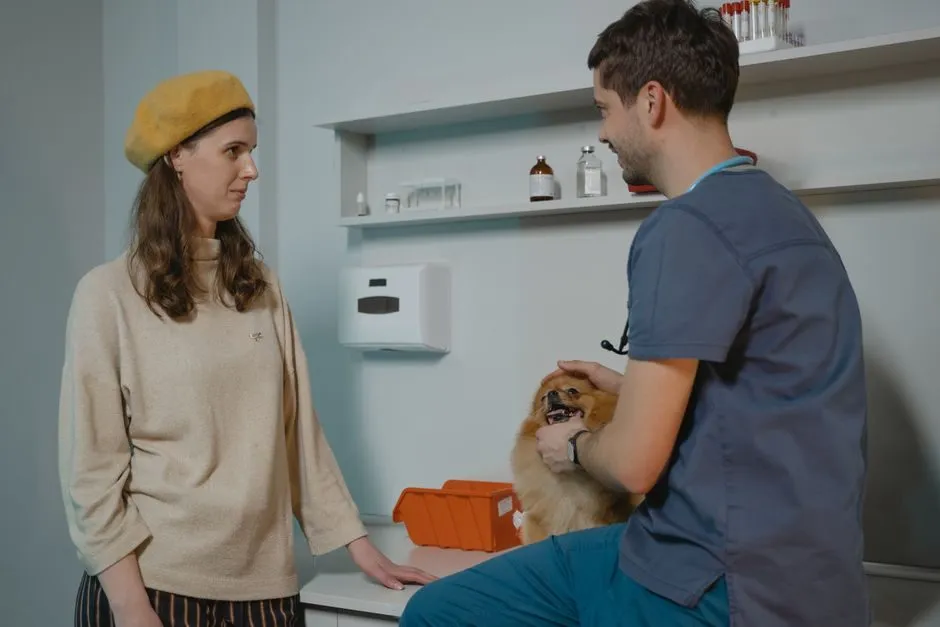
If you notice signs of illness or discomfort in your pet during the fall, your first step should be to schedule an appointment with your local veterinary team. At Arbor Hills Veterinary Clinic, our veterinarians offer a full range of routine veterinary care to support your pet’s health year-round. For pets with itchy skin, sneezing, or other allergy-like symptoms, an evaluation can help determine whether allergies, parasites, or skin infections are to blame. Our dermatology services are designed to pinpoint the cause and provide targeted relief so your pet can enjoy the season comfortably.
In cases of suspected poisoning from antifreeze, mushrooms, or rodenticides, immediate intervention is critical. The veterinary team will perform a thorough assessment and may recommend blood work, supportive care, or specific antidotes depending on the toxin involved. If your pet is older or has chronic health issues, fall is also a great time for a seasonal checkup to review pain management strategies, update vaccinations, and discuss preventive measures for the colder months ahead.
Preventive Home Care Steps for a Safe Autumn
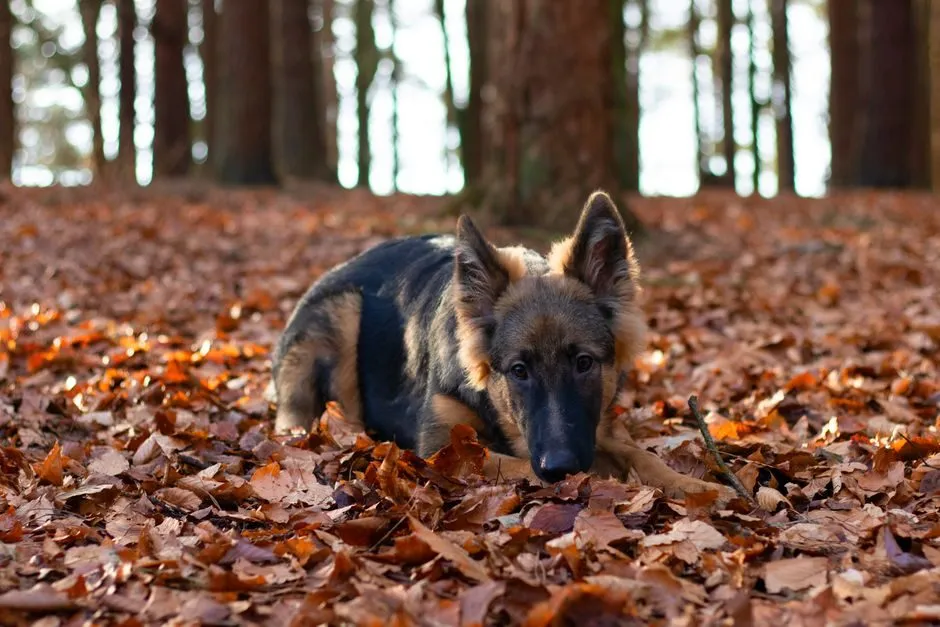
Keeping your pet safe in the fall involves a mix of vigilance, preparation, and regular veterinary care. Start by inspecting your garage, shed, and driveway for any spills of antifreeze or other chemicals, and clean them up immediately. Store all toxic substances well out of your pet’s reach. When walking your dog, keep a close eye on what they sniff or attempt to eat, as wild mushrooms and decaying plant matter can pose a threat. Rake leaves regularly to minimize mold growth, and discourage pets from playing in large leaf piles where unseen hazards may lurk.
For cats and small dogs that are sensitive to cold, consider providing a cozy sweater or jacket for chilly walks. Make sure outdoor enclosures or dog houses are insulated and dry. Fall is also a time when many pets escape through open doors as families come and go; ensuring your pet has up-to-date identification is critical. Our microchipping services offer an extra layer of security to help reunite you with your pet if they become lost.
Routine preventive care is just as important in the fall as it is during the rest of the year. Keeping up with vaccination services helps protect your pet from contagious diseases that can spread at parks, boarding facilities, or grooming appointments, especially as travel and holiday gatherings pick up.
When to Schedule Veterinary Care for Fall-Related Concerns
Knowing when to seek professional veterinary care can make all the difference in your pet’s health. Schedule an appointment promptly if your pet exhibits symptoms such as persistent coughing, sneezing, or discharge from the eyes or nose, as these could signal respiratory infections or seasonal allergies. Vomiting, diarrhea, or sudden weakness after outdoor exposure may indicate poisoning or ingestion of a toxic substance and requires immediate attention. If your dog or cat develops raw, irritated skin or is scratching excessively, a visit to our veterinary team can help identify the cause and provide relief.
Pets with chronic health conditions, such as arthritis, may need their pain management plan adjusted as the weather cools. Difficulty rising, obvious discomfort during walks, or reluctance to go outside are all reasons to consult with our veterinarians. We encourage you to reach out for a fall health checkup even if your pet seems healthy, as preventive care is the best way to catch problems early and ensure a comfortable transition into the colder months.
If you are ever unsure whether your pet’s symptoms require urgent care, do not hesitate to contact Arbor Hills Veterinary Clinic for guidance. For situations outside of regular hours, we also provide links to local emergency resources to help you find immediate help when needed.
Making Fall Enjoyable and Safe for Your Pet
Autumn in Jackson, MI can be a wonderful season for you and your pets to explore, play, and relax together. By understanding the unique risks that fall brings and taking proactive steps at home, you set your dog or cat up for a safe and happy season. Remember to watch for changes in your pet’s behavior or health, keep hazardous substances securely stored, and maintain regular veterinary visits. If you have any questions about your pet’s well-being this fall or need to schedule a routine health check, our veterinary professionals at Arbor Hills Veterinary Clinic are here for you.
When searching for a vet near me, trust the experience and dedication of our team to deliver personalized care for your beloved companion. To schedule an appointment or speak with a member of our veterinary team, call us at (517) 750-3838 or visit 4110 Spring Arbor Rd, Jackson, MI 49201. Let’s work together to keep your pets safe, healthy, and thriving throughout the fall and beyond.
This blog is intended for educational purposes only and does not replace individualized veterinary advice. If you have concerns about your pet’s health, please contact your veterinarian directly for guidance tailored to your pet’s needs.