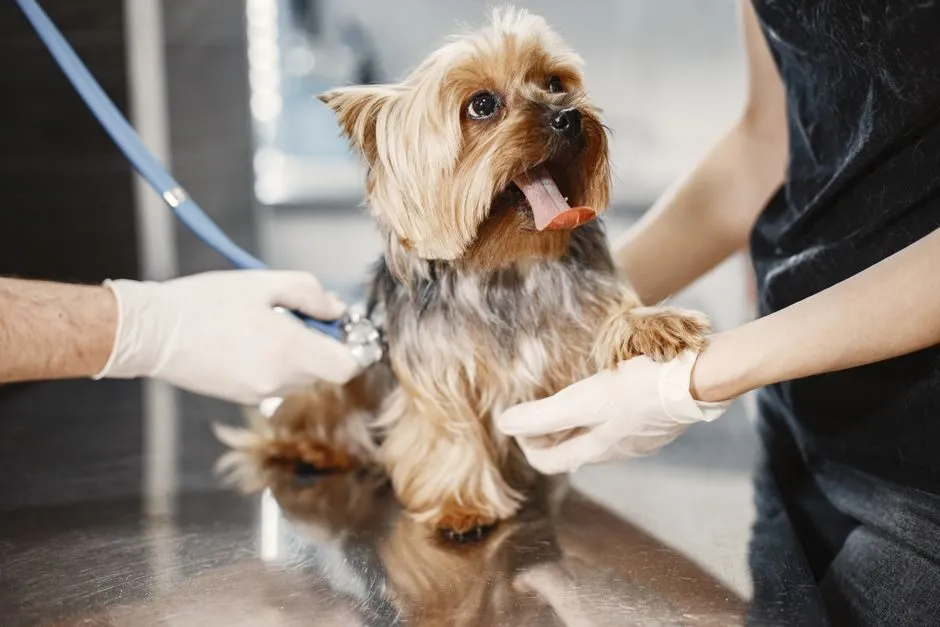
The holiday season is a time of celebration for many families in Jackson, MI, but it can also bring unexpected dangers for dogs and cats. From tempting foods on the Thanksgiving table to festive decorations and chilly November weather, there are several seasonal hazards that could threaten your pet’s health and happiness. At Arbor Hills Veterinary Clinic, our team of veterinarians is dedicated to helping you keep your pets safe, comfortable, and healthy during this busy time of year. In this article, we’ll explore the most common holiday hazards facing pets in November, share practical tips for prevention, and explain when it’s time to schedule an appointment at our Jackson, MI location. Our goal is to ensure your dog or cat enjoys a joyful start to the holiday season—without any emergency trips to the vet.
Recognizing Holiday Hazards: Signs Your Pet May Be at Risk
Many pet owners are surprised at how quickly a holiday hazard can turn into a veterinary emergency. During November, your dog or cat may be exposed to a range of dangers both inside and outside the home. Some of the most common issues we see include accidental ingestion of toxic foods, injuries from decorations, and problems related to sudden cold snaps.
Signs that your pet may have encountered a holiday hazard include vomiting, diarrhea, loss of appetite, sudden lethargy, coughing or choking, difficulty breathing, limping, or changes in behavior such as hiding or aggression. In some cases, pets may exhibit subtle symptoms like drooling, pawing at the mouth, or restlessness. If your dog or cat is acting out of the ordinary after a holiday gathering or a change in the household routine, it’s important to pay attention—your quick response can make a big difference in their recovery.
Why Holiday Hazards Are More Common in November
November brings a unique set of risks for dogs and cats, especially as households prepare for Thanksgiving and the start of the winter holiday season. The kitchen becomes a hub of activity, with rich foods, desserts, and leftovers easily within reach for curious pets. Family gatherings mean more people, open doors, and sometimes distracted supervision. Seasonal decorations such as candles, tinsel, and holiday plants add to the festive spirit but can pose significant risks if ingested or knocked over.
Additionally, the weather in Jackson, MI, often shifts quickly during November, bringing colder temperatures, frost, and even the occasional snowfall. Pets who are used to spending time outdoors may be caught off guard by the drop in temperature, while indoor pets may encounter new risks from space heaters or electric cords. The combination of these factors means November requires extra vigilance to keep your pet safe.
Toxic Foods: What’s Not Safe for Dogs and Cats During the Holidays
One of the leading reasons pets visit the veterinarian during the holidays is accidental ingestion of toxic foods. While it’s tempting to share a bite of your Thanksgiving feast with your dog or cat, many traditional dishes are dangerous for pets. Foods that are especially harmful include chocolate, grapes and raisins, onions, garlic, chives, and anything containing xylitol, an artificial sweetener found in some baked goods. Turkey bones and fatty table scraps can also cause choking, digestive upset, or even serious conditions like pancreatitis.
Symptoms of food toxicity in pets include vomiting, diarrhea, abdominal pain, drooling, tremors, and in severe cases, seizures or collapse. If you suspect your pet has eaten something they shouldn’t have, it’s crucial to contact our veterinary team right away. For a more in-depth overview of how routine veterinary exams can help detect health problems early, visit our page on routine veterinary exams for dogs and cats.
Decorative Dangers: How Holiday Décor Can Pose Risks
Festive decorations make your home feel cheerful, but they can be irresistible—and hazardous—to pets. Tinsel, ribbons, and string can cause intestinal blockages if swallowed. Glass ornaments may shatter and injure paws or mouths. Candles pose a fire risk if knocked over by a curious cat or wagging dog tail, and some holiday plants, such as poinsettias, mistletoe, and holly, are toxic when ingested.
If your pet suddenly starts gagging, coughing, or pawing at their mouth near the holiday décor, or if you notice missing decorations, monitor them closely for signs of distress. Intestinal blockages may not show immediate symptoms but can lead to vomiting, loss of appetite, and lethargy within hours or days.
Cold Weather Concerns: Protecting Pets From November’s Chill
Even as you bundle up for the season’s first frosts, remember that dogs and cats are also sensitive to the cold. Hypothermia and frostbite are genuine risks for pets left outdoors, especially for breeds with short coats or those not accustomed to cold weather. Additionally, ice-melting chemicals and antifreeze can be toxic if licked from paws or ingested directly.
Warning signs of cold-related issues include shivering, whining, reluctance to move, pale or bluish gums, and in severe cases, unconsciousness. If your pet spends time outside, check their paws for cracks or redness, and watch for limping or licking at the feet. Bringing pets indoors during freezing temperatures and wiping their paws after walks are simple steps that can prevent many cold-weather hazards.
Guidance From the Veterinary Team: Professional Treatment and What to Expect
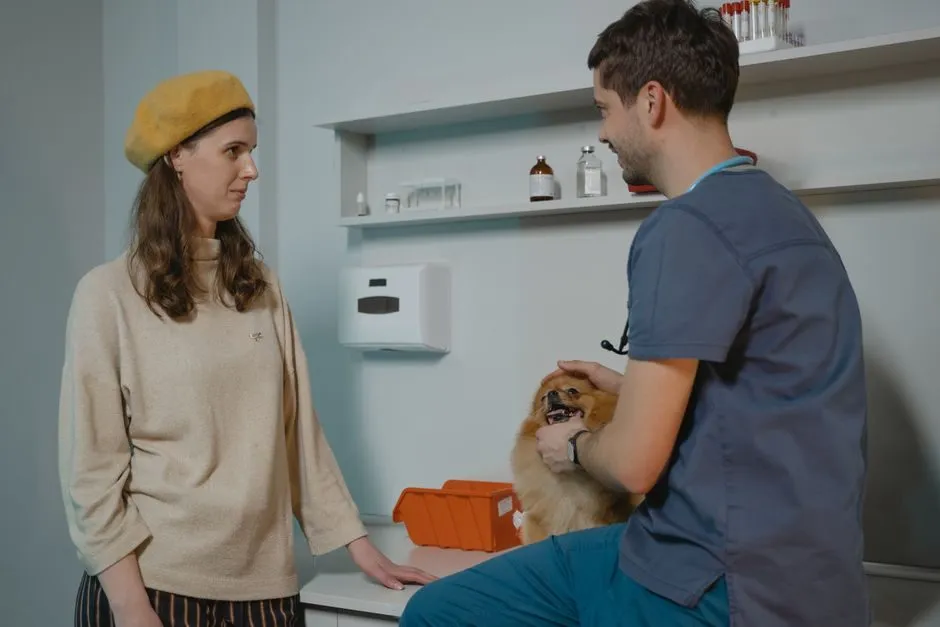
If your pet encounters any of these holiday hazards, prompt veterinary care is essential. At Arbor Hills Veterinary Clinic, our team of veterinarians is equipped to diagnose and treat a wide range of holiday-related health issues in dogs and cats. Depending on the situation, treatment may involve inducing vomiting (if a toxic food was recently ingested), administering activated charcoal, providing intravenous fluids, or performing surgery in the case of severe blockages or injuries.
For cold-related issues, we may need to gradually warm your pet, treat for shock, and address any secondary complications such as infection. Our veterinary professionals focus on supportive care, pain management, and monitoring to help your pet recover safely and comfortably. We encourage you to reach out as soon as you notice any signs of trouble, as early intervention greatly improves outcomes.
At-Home Prevention: Practical Ways to Keep Your Pet Safe
Prevention is the best medicine when it comes to holiday hazards. You can protect your dog or cat by storing food out of reach, keeping trash cans secured, and educating family members about which foods are unsafe for pets. When decorating, avoid using tinsel, keep breakable ornaments higher up, and place candles in areas inaccessible to curious pets. Monitor holiday plants closely and opt for pet-safe alternatives when possible.
During cold snaps, ensure your pet has a warm, dry place indoors. Limit outdoor time, especially for smaller or short-haired breeds. Use pet-safe ice melt products, and always wipe your pet’s paws after a walk to remove any harmful chemicals. Routine veterinary exams are a great way to stay ahead of health issues, so consider scheduling a visit with our team to discuss your pet’s unique winter needs.
When to Schedule an Appointment: Knowing When Professional Help Is Needed
While some minor mishaps can be handled at home, certain situations call for immediate veterinary attention. If your dog or cat exhibits persistent vomiting or diarrhea, difficulty breathing, signs of pain, collapse, or sudden behavioral changes, contact Arbor Hills Veterinary Clinic right away. Likewise, if you know or suspect your pet has eaten a toxic food or foreign object, prompt evaluation is critical.
For after-hours emergencies, it’s important to have a plan. While Arbor Hills Veterinary Clinic is not an emergency clinic, we recommend contacting a local emergency veterinary hospital if your pet needs urgent care outside our regular hours. For more information, see resources like the Emergency Veterinary Hospital of Ann Arbor or the Michigan State University Veterinary Medical Center.
Safeguarding Your Pet This Holiday Season in Jackson, MI
The holidays should be a time of joy and togetherness for every member of your family, including your pets. By staying alert to the common hazards of November—such as toxic foods, dangerous decorations, and cold weather—you can help your dog or cat enjoy a safe and happy start to the season. If you have questions about your pet’s health or want to make sure they’re protected all winter long, our team at Arbor Hills Veterinary Clinic is here to help.
To schedule an appointment, call us at (517) 750-3838 or visit our Jackson, MI location. For those searching for a vet near me in Jackson and surrounding communities, Arbor Hills Veterinary Clinic offers compassionate, comprehensive care for dogs and cats throughout every season. Let us be your trusted partner in keeping your pets safe and healthy—this holiday season and always.