As autumn leaves begin to fall and the weather cools in Jackson, MI, you may notice your dog or cat scratching or sneezing more than usual. Seasonal changes can bring a wave of allergens that affect not just people, but also our pets. At Arbor Hills Veterinary Clinic, located at 4110 Spring Arbor Rd, Jackson, MI 49201, we understand how frustrating it can be to see your pet uncomfortable. This blog will guide you through the common triggers of fall and early winter allergies in pets, help you recognize the signs, offer practical relief strategies at home, and explain when it’s time to schedule a veterinary appointment for professional care. Whether your pet is dealing with itchy skin, watery eyes, or respiratory symptoms, our team of veterinarians is here to support you every step of the way. We’ll also highlight available services, such as allergy testing services for pets experiencing seasonal or environmental allergies, so you know how we can help your pet feel their best this season.
Recognizing Signs of Fall and Early Winter Allergies in Pets
Allergies can manifest in a variety of ways for dogs and cats, and the symptoms often become more noticeable as the seasons change. Key signs your pet may be experiencing allergies include frequent scratching, licking, or biting at their skin. Some pets develop red, inflamed skin, hair loss, or even develop hot spots. Other symptoms include watery eyes, sneezing, persistent ear infections, or chewing at their paws. In some cases, you might notice your dog or cat rubbing their face along the carpet or furniture in an attempt to relieve itching. For cats, excessive grooming or hairballs can also be a sign of underlying allergies. These symptoms can be mild to severe and may come and go as different allergens peak in the environment. If your pet has a history of seasonal flare-ups or you notice these symptoms appearing as fall sets in, it may be time to consider allergies as a possible cause.
When to Take Symptoms Seriously
While occasional scratching or sneezing can be normal, persistent or worsening symptoms deserve attention. Warning signs that should prompt a closer look include open sores, significant hair loss, repeated ear infections, or changes in your pet’s mood or appetite. Pets that seem uncomfortable day and night, or those that develop secondary skin infections, require prompt veterinary care. Early recognition is key to preventing more serious complications and ensuring your pet stays comfortable throughout the season.
What Causes Pet Allergies in Jackson, MI’s Fall and Early Winter?
Pet allergies in the fall and early winter are often triggered by a combination of environmental and indoor factors unique to this transitional season. As the weather cools, outdoor allergens like ragweed pollen, mold spores from damp leaves, and dust mites become more prevalent. These particles can easily cling to your pet’s fur and be brought inside, where warm indoor air can keep allergens circulating. Additionally, when heating systems are turned on, they can stir up dust, mold, and other irritants that have settled during the summer months. For some pets, the increased time spent indoors means greater exposure to indoor allergens such as house dust, cleaning products, or even certain fabrics.
Food Versus Environmental Allergies
It is important to note that while environmental allergens are common culprits in the fall, some pets may also experience food allergies that become more noticeable as their immune systems are stressed by seasonal changes. Differentiating between environmental and food allergies can be challenging, which is why working with your veterinarian is so important. Professional evaluation, and if needed, allergy testing services, can help pinpoint the specific allergen so the best management plan can be put in place.
Professional Treatment Options for Seasonal Pet Allergies
When home remedies are not enough, or when symptoms become severe, professional veterinary care can make all the difference in your pet’s comfort and quality of life. At Arbor Hills Veterinary Clinic, our veterinary professionals offer a range of diagnostic and treatment options tailored to the needs of your dog or cat.
Diagnostic Approaches
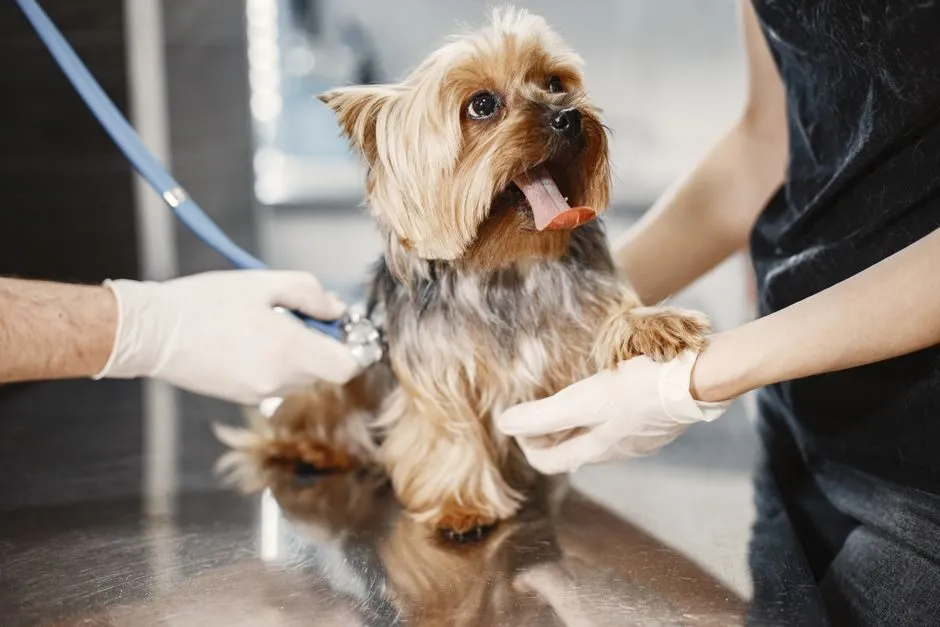
The first step is often a comprehensive physical examination to assess your pet’s skin, ears, and overall health. If allergies are suspected, our team may recommend allergy testing services for pets experiencing seasonal or environmental allergies to help identify the triggers. Additional diagnostics, such as skin scrapings, cytology, or blood work, may be used to rule out infections or other underlying issues.
Treatment Approaches
Treatment for seasonal allergies typically involves a multi-pronged approach. Medications such as antihistamines, corticosteroids, or newer allergy medications can provide relief from itching and inflammation. In some cases, prescription topical treatments or medicated shampoos are recommended to soothe irritated skin. Immunotherapy, which involves gradually exposing your pet to small amounts of the allergen, may be an option for pets with severe or persistent allergies. For pets with secondary skin or ear infections, antibiotics or antifungal medications may be necessary. Our veterinary dermatology care for itchy skin, allergies, and ear infections in pets is designed to address these specific concerns, helping your pet heal and feel comfortable again.
Preventing and Managing Allergies at Home
While professional treatment is often necessary for moderate or severe allergies, there are proactive steps you can take at home to minimize your pet’s exposure to allergens and keep symptoms under control.
Reducing Environmental Allergens
Regular bathing with a veterinarian-approved shampoo can help remove pollen, dust, and mold spores from your pet’s coat. Wiping your dog’s paws and fur with a damp cloth after outdoor walks is another effective way to reduce the amount of allergen tracked inside. Keeping your home clean by vacuuming frequently, washing pet bedding in hot water, and using air purifiers can all help decrease indoor allergen levels. When possible, keep windows closed during high pollen or mold seasons and avoid outdoor walks in areas with heavy leaf litter or damp grasses.
Supporting Your Pet’s Skin Health
A healthy skin barrier is your pet’s first line of defense against allergens. Feeding a balanced diet rich in omega-3 fatty acids can help reduce inflammation and support skin health. Your veterinarian may recommend supplements or specific diets if food allergies are suspected. Avoid over-bathing, as this can strip the skin of natural oils and worsen dryness or itching. Always use grooming and cleaning products designed specifically for dogs or cats, as human products can be too harsh.
Home Comfort Measures
Creating a comfortable, allergen-reduced environment for your pet includes providing clean bedding, maintaining good ventilation, and ensuring your pet stays hydrated. Monitor your pet for any changes in behavior or comfort level, and keep track of when symptoms seem to improve or worsen. This information can be very helpful for your veterinarian in developing an effective allergy management plan.
When to Schedule a Veterinary Appointment
Knowing when to seek veterinary care is essential for managing your pet’s allergies effectively. If your pet’s itching, redness, or discomfort is persistent despite home care, it’s time to schedule an appointment with our veterinary team. Other indications for a visit include open sores, frequent ear infections, hair loss, or changes in appetite and energy levels. Secondary skin infections or ear problems can quickly develop if allergies are left untreated, making early intervention important.
If you suspect your pet is suffering from seasonal allergies but are unsure of the cause, our team of veterinarians at Arbor Hills Veterinary Clinic can help with diagnosis, targeted treatment, and long-term management. Pets with a history of severe or recurrent allergy symptoms may benefit from regular check-ups during high-risk seasons to prevent flare-ups.
For pet owners in Jackson, MI and surrounding communities, finding a trusted vet near me is crucial when allergies start to impact your dog or cat’s well-being. Our team is here to support you with comprehensive care and compassionate guidance.
Supporting Your Pet’s Well-Being Through the Seasons
Pet allergies can be challenging, but with the right information and support, you can help your dog or cat stay comfortable all season long. By recognizing the signs early, taking steps to reduce exposure to allergens, and seeking veterinary care when needed, you’re giving your pet the best chance at a happy, healthy fall and winter. At Arbor Hills Veterinary Clinic, we are committed to helping pets in Jackson and the surrounding area thrive through every season.
If you notice your pet suffering from allergy symptoms or want to discuss preventive strategies, we encourage you to reach out and schedule an appointment. Our veterinary professionals offer advanced allergy testing services and dermatology care for itchy skin, allergies, and ear infections in pets for comprehensive support. Visit us at 4110 Spring Arbor Rd, Jackson, MI 49201 or call (517) 750-3838 to schedule your pet’s appointment today. Our team is dedicated to providing the care your pet deserves, so you can enjoy the season together with peace of mind.
This blog is for informational purposes only and should not replace professional veterinary advice. If you have concerns about your pet’s health, please contact your veterinarian for guidance specific to your pet’s needs.