As the crisp air settles in and the leaves begin to fall, pet owners in Jackson, MI know that autumn brings new challenges for keeping dogs and cats healthy and comfortable. At Arbor Hills Veterinary Clinic, our team understands how cooler temperatures and damp weather can affect your pet’s well-being, from stiff joints to itchy skin and the need for seasonal updates to preventive care. Preparing your pet for the transition from summer warmth to chilly October days goes beyond grabbing a sweater , it means being proactive about their health and comfort. In this guide, we will discuss how to recognize when your pet may be struggling with the change in weather, why these seasonal shifts matter, and the steps you can take at home and with your veterinarian to keep your companion safe and happy all season long. If you’re seeking support for autumn pet care or routine checkups as the seasons change, our veterinary team at Arbor Hills Veterinary Clinic is here to help pets throughout Jackson and surrounding communities.
Recognizing When Cooler Weather Affects Your Pet
Every pet reacts differently to dropping temperatures and wetter days, but there are some common signs that can indicate your dog or cat is having trouble adapting. Some pets may become less active, hesitate to go outside, or seem stiff when getting up in the morning. Others might start scratching or licking more frequently, especially if their skin is sensitive to the dry indoor air or dampness outdoors. Additional signs that your pet may be uncomfortable as the weather cools include seeking out warm spots to nap, shivering or trembling after being outside, and changes in appetite or water intake. Cats, in particular, may hide more often or avoid their litter box if it is placed in a drafty area. For older pets or those with chronic conditions, you may notice increased limping, reluctance to climb stairs, or vocalizing when moving. Paying attention to these subtle cues can help you address small issues before they become health concerns.
Why Autumn Weather Can Impact Pet Health
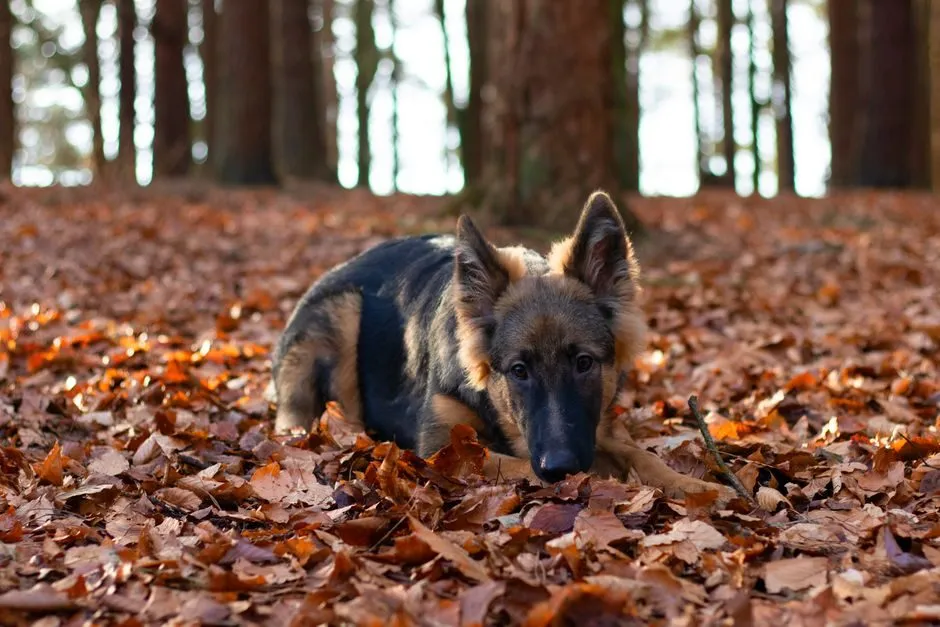
The transition into fall in Jackson, MI brings more than beautiful scenery. Cooler temperatures, wet leaves, and fluctuating humidity can lead to a host of challenges for dogs and cats. As the air becomes drier indoors due to heating, pets may experience itchy or flaky skin, while outdoor dampness can encourage skin infections or exacerbate allergies. For senior pets or those with arthritis, colder weather often means stiffer joints and increased discomfort. Parasites such as fleas and ticks may still be active well into autumn, especially during mild spells, making year-round preventive care essential. Additionally, changes in daylight and temperature can influence your pet’s activity level, metabolism, and even their immune system. Shorter days may lead to less exercise and, as a result, gradual weight gain. Wet weather and mud can also make it harder to keep your pet’s paws and coat clean, increasing the risk of skin problems if not managed carefully. Understanding these seasonal changes helps you anticipate and prevent issues before they arise.
Professional Veterinary Care for Autumn Wellness
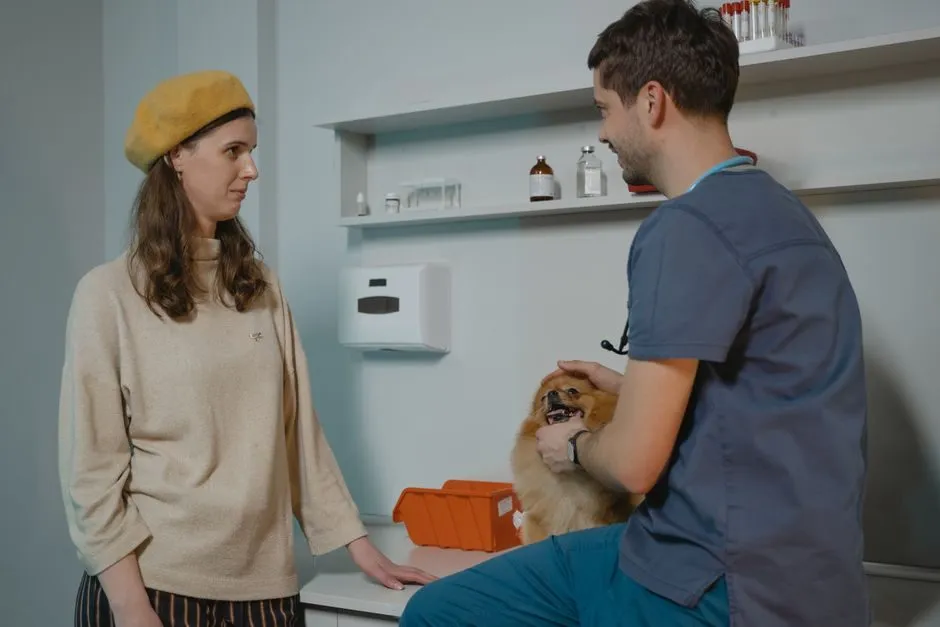
Bringing your pet to Arbor Hills Veterinary Clinic for a seasonal checkup is one of the best ways to ensure they are ready for the challenges of cooler weather. Our veterinarians can provide a thorough evaluation, focusing on areas commonly affected by fall conditions such as joint health, skin and coat quality, and weight management. For pets with a history of allergies or sensitive skin, our veterinary dermatology services are especially valuable during wet, chilly months. We also recommend updating or maintaining your pet’s routine veterinary care, which may include parasite prevention, vaccination updates, and a review of your pet’s diet and exercise routine.
If your dog or cat is showing signs of discomfort, such as limping or difficulty moving, our pain management services can help address underlying issues and keep your pet comfortable as temperatures drop. For older pets, a proactive approach with our geriatric veterinary care ensures age-related health concerns are identified and managed before winter sets in. Our team is dedicated to helping you develop a care plan tailored to your pet’s needs during every season.
Home Care and Prevention: Steps to Keep Pets Safe and Comfortable
There is plenty you can do at home to help your pet transition smoothly into autumn. Providing a warm, draft-free sleeping area is essential, especially for older dogs and cats. Keep bedding clean and dry, and consider adding extra blankets or a heated pet bed for extra comfort. After walks or outdoor play, dry your pet’s paws and coat thoroughly to prevent chill and skin irritation. Maintaining a regular grooming routine helps remove loose fur and debris, while also allowing you to check for signs of parasites or skin problems.
Adjusting exercise routines to fit shorter days and cooler temperatures is important. If your pet hesitates to go outside, try engaging them in indoor play to keep them active and mentally stimulated. Monitor your pet’s weight, as lower activity levels can lead to gradual weight gain; consult your veterinarian if you need advice on adjusting meal portions. Continue using flea and tick preventives and keep an eye out for signs of parasites, as these pests can remain active into the late fall. If your pet has allergies or sensitive skin, ask your veterinarian about managing symptoms and minimizing exposure to potential triggers like moldy leaves. Make sure your cat’s litter box is kept in a warm, accessible area to encourage regular use.
When to Schedule a Veterinary Visit
Some seasonal changes can be managed at home, but certain signs indicate it’s time to call your veterinary team. If your pet is shivering, lethargic, limping, or refusing to eat or drink, these may be signs of discomfort or illness that should not be ignored. Persistent scratching, skin redness, or the development of sores require prompt attention to prevent infections. For pets with pre-existing medical conditions, worsening symptoms such as increased coughing, difficulty breathing, or changes in mobility are reasons to schedule an appointment right away. Any sudden changes in behavior, bathroom habits, or appetite also warrant a veterinary evaluation, as these may signal an underlying health issue related to the change in season.
If you ever feel uncertain about your pet’s symptoms or how to help them adjust to autumn weather, our veterinary professionals at Arbor Hills Veterinary Clinic are available to answer your questions and provide expert care. You can find additional veterinary guidance and after-hours emergency contact information on our additional veterinary information page.
Supporting Your Pet’s Health Through Every Season
Preparing your pet for cooler Jackson, MI weather means being attentive to their comfort and health as conditions change. By watching for subtle signs of discomfort, maintaining preventive care routines, and making simple adjustments at home, you can help your dog or cat enjoy a safe and cozy autumn. Our veterinarians are committed to supporting you and your pet every step of the way, whether you need advice on seasonal allergies, pain management, or routine wellness checks.
If you are looking for a trusted vet near me this fall, schedule an appointment at Arbor Hills Veterinary Clinic. We welcome pets and their families from Jackson and nearby communities, providing compassionate care tailored to your companion’s unique needs. To book your seasonal checkup or discuss any concerns about your pet’s health, call us at (517) 750-3838 or visit us at 4110 Spring Arbor Rd, Jackson, MI 49201. Let’s work together to keep your pet healthy, happy, and comfortable all autumn long.